(Journal)
What is Trauma?
What is Trauma?
(
Learning
)
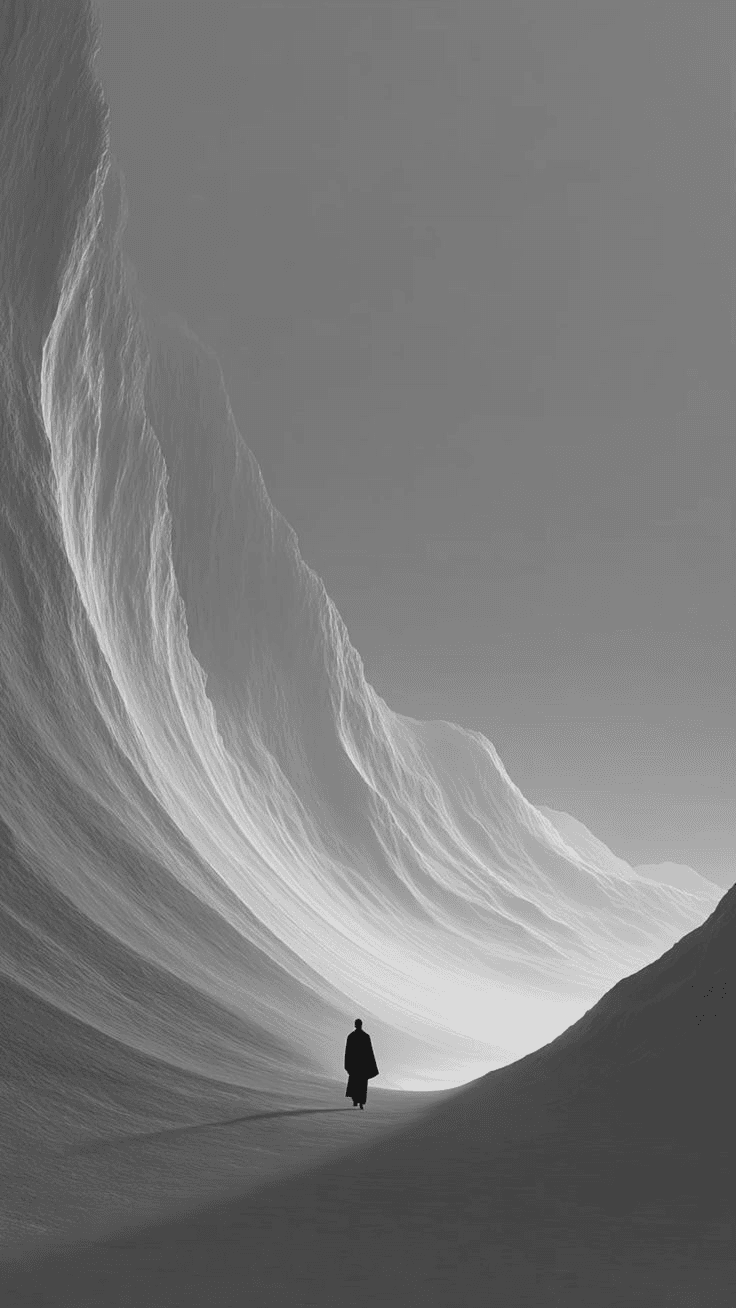
I believe trauma to be the most ignored, avoided, belittled, denied, misunderstood, and most untreated cause of human suffering.
There is no single definition. I still do not have just one way of defining it. What I can say is that people are traumatised when their ability to respond to a threat is overwhelmed. It is a shock. A shock to the psyche, to the body, to the nervous system, and to the soul or spirit.
When I use the word trauma, I am referring to the often debilitating symptoms that many people experience following overwhelming events.
A war veteran who jumps at the sound of a loud bang years after being back on from the battle field, well, that response makes sense. But for many people, trauma responses are not so obvious. These can include persistent anxiety or panic, low mood or depression, emotional numbness, and intrusive thoughts or memories. Trauma can also affect cognitive functioning, leading to difficulties with concentration, memory, or decision-making, as well as a constant sense of hypervigilance or feeling on edge. For many, these psychological effects are accompanied by physical symptoms such as chronic fatigue, sleep disturbances, headaches, or other unexplained aches and pains. Together, these symptoms can significantly interfere with daily life, work, relationships, and a person’s overall sense of safety and wellbeing. What is so interesting is that people may not immediately connect these symptoms to trauma, but trauma often lives there.
Trauma Is Not a Life Sentence
Medicine often chooses to view the long-term effects of trauma as incurable, only marginally controllable by drugs. Based on my experience, I do not agree.
Through my work with trauma, I have come to a very different conclusion: human beings possess an innate, inborn capacity to heal from trauma. Fascinatingly, this capacity is shared with animals. A truth that becomes evident when we observe how they naturally discharge stress and recover after threatening experiences.
I believe trauma is not only curable, but that the healing process itself can serve as a catalyst for profound awakening - a doorway into genuine spiritual transformation. Trauma does not have to be a life sentence. When we learn how to heal and move through the damage trauma creates, we can reclaim our vitality and move toward our individual and collective dreams. So trauma, in this sense, is reversible.
Healing Is a Biological Process
Whether it is called re-association or soul retrieval, the name we give healing does not matter. What matters is this: healing is primarily a biological process, not a psychological one. This is where much of the confusion around trauma arises. Trauma is often treated as something “wrong” in the mind, when in fact it is stored in the body.
In my experience, approaches that lead to lasting healing are those that help people reconnect with their bodies. Methods that exclude the body tend to have limited impact. As a culture, we have lost awareness of the body, and trauma deepens this loss through dissociation—the severing of connection to the body and to instinct.
If we do not learn how to reconnect with human instinct, which is essential for healing, we remain caught in dissociation and continue living with trauma rather than moving beyond it.
Trauma Looks Different in Every Body
I have also found that no two people experience trauma in the same way. What overwhelms one person may be exhilarating or even life giving to another. Trauma is shaped by many factors, including family dynamics, genetic makeup, and past experiences.
Understanding this is vital, because it calls us out of judgment and into compassion. When someone carries trauma, they do not need to be analysed or corrected, they need to be met with understanding and support. Judgment only deepens the wound; safety is what allows healing to occur.
Ordinary Events Can Be Traumatic
People, especially children, can be overwhelmed by events we often consider ordinary. Until relatively recently, trauma was largely associated with soldiers returning from war or with clearly catastrophic experiences.
The truth is far more subtle. Over time, a series of so called minor experiences can be just as damaging as a single major shock. The body does not measure trauma by scale or by logic. It responds to overwhelm. Whiplash, routine medical procedures, anaesthesia, falling off a bicycle, or being left alone in fear, particularly in childhood, can all register as traumatic when the nervous system does not have the capacity or support to process what is happening.
Trauma also does not exist in isolation. We can be affected indirectly through caregivers who are overwhelmed, through family systems shaped by unspoken stress, or through environments that do not feel safe.
For this reason, most of us carry some form of trauma, whether we recognise it or not. Healing begins not by minimising our experiences, but by listening to what the body has been holding all along. I have also witnessed symptoms showing years after an event.
Even when the mind forgets, the body does not. As Freud observed, the mind may forget, but the body remembers. Healing happens when the body is allowed to complete what was interrupted.
IT'S LIKE A CIRCLE
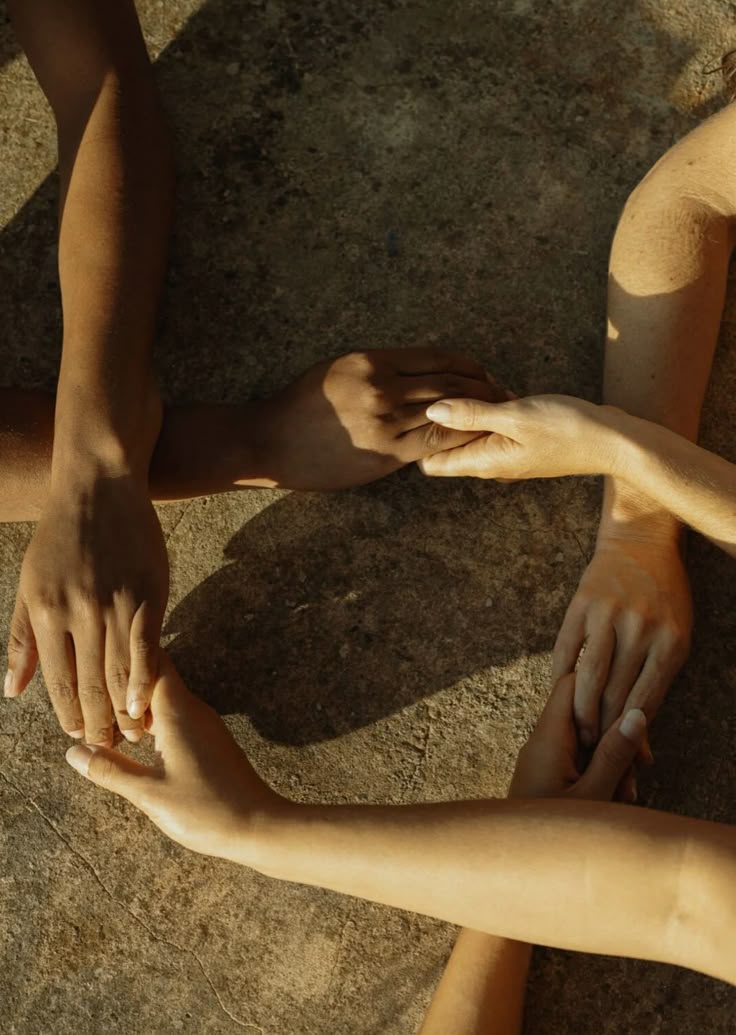
Think of trauma like a circle. When an overwhelming experience occurs, we move only part way through that circle and then freeze. A part of the body remains held there, waiting. With the right support, the circle can be completed. Without it, we may remain partially frozen in that moment for a lifetime.
The Subtle Loss of Connection
One of the most subtle effects of trauma is loss of connection. To ourselves, to others, and to the world. This happens gradually. We adapt without noticing, until we start to believe we are simply “not people-oriented” or “not good with closeness.”
The soul leaves the body to protect us from overwhelming feelings and pain. Because of this, to reconnect to self, healing must happen slowly, gently, and with respect.
LABELS ARE NOT HELPFUL
I am not fond of labels such as “I am traumatised” or “you have trauma.” They can subtly turn experiences into identities. Healing does not require a diagnosis or a story about what is wrong. If something within you feels stuck, held, or unfinished, and you feel a quiet sense that it wants to move, that is enough. This is not unusual or abnormal. It is human. And it is okay.
WE ARE NOT TAUGHT HOW TO HEAL
We are not taught how to move through trauma alone, and the body rarely feels fully safe doing so. Trauma happened in relationship, in an environment that felt overwhelming or unsafe, and it is most often healed in relationship as well. The nervous system needs presence, attunement, and safety in order to soften and release what has been frozen.
In my private practice, I create and hold a space where the body can feel safe, calm, and supported enough to move through what has been held in suspension. As the frozen parts are gently integrated, vitality naturally increases and life energy begins to flow again.
If you would like to explore this work or feel into whether it is right for you, please reach out. I would love to connect with you.
You do not have to walk this journey alone.
With love and an open warm heart,
NT x
EXPLORE more
L
LE
LET
LET'S
LET'S T
LET'S TA
LET'S TAL
LET'S TALK
CONTACT
CONTACT
CONTACT






(Journal)
What is Trauma?
What is Trauma?
(
Learning
)
I believe trauma to be the most ignored, avoided, belittled, denied, misunderstood, and most untreated cause of human suffering.
There is no single definition. I still do not have just one way of defining it. What I can say is that people are traumatised when their ability to respond to a threat is overwhelmed. It is a shock. A shock to the psyche, to the body, to the nervous system, and to the soul or spirit.
When I use the word trauma, I am referring to the often debilitating symptoms that many people experience following overwhelming events.
A war veteran who jumps at the sound of a loud bang years after being back on from the battle field, well, that response makes sense. But for many people, trauma responses are not so obvious. These can include persistent anxiety or panic, low mood or depression, emotional numbness, and intrusive thoughts or memories. Trauma can also affect cognitive functioning, leading to difficulties with concentration, memory, or decision-making, as well as a constant sense of hypervigilance or feeling on edge. For many, these psychological effects are accompanied by physical symptoms such as chronic fatigue, sleep disturbances, headaches, or other unexplained aches and pains. Together, these symptoms can significantly interfere with daily life, work, relationships, and a person’s overall sense of safety and wellbeing. What is so interesting is that people may not immediately connect these symptoms to trauma, but trauma often lives there.
Trauma Is Not a Life Sentence
Medicine often chooses to view the long-term effects of trauma as incurable, only marginally controllable by drugs. Based on my experience, I do not agree.
Through my work with trauma, I have come to a very different conclusion: human beings possess an innate, inborn capacity to heal from trauma. Fascinatingly, this capacity is shared with animals. A truth that becomes evident when we observe how they naturally discharge stress and recover after threatening experiences.
I believe trauma is not only curable, but that the healing process itself can serve as a catalyst for profound awakening - a doorway into genuine spiritual transformation. Trauma does not have to be a life sentence. When we learn how to heal and move through the damage trauma creates, we can reclaim our vitality and move toward our individual and collective dreams. So trauma, in this sense, is reversible.
Healing Is a Biological Process
Whether it is called re-association or soul retrieval, the name we give healing does not matter. What matters is this: healing is primarily a biological process, not a psychological one. This is where much of the confusion around trauma arises. Trauma is often treated as something “wrong” in the mind, when in fact it is stored in the body.
In my experience, approaches that lead to lasting healing are those that help people reconnect with their bodies. Methods that exclude the body tend to have limited impact. As a culture, we have lost awareness of the body, and trauma deepens this loss through dissociation—the severing of connection to the body and to instinct.
If we do not learn how to reconnect with human instinct, which is essential for healing, we remain caught in dissociation and continue living with trauma rather than moving beyond it.
Trauma Looks Different in Every Body
I have also found that no two people experience trauma in the same way. What overwhelms one person may be exhilarating or even life giving to another. Trauma is shaped by many factors, including family dynamics, genetic makeup, and past experiences.
Understanding this is vital, because it calls us out of judgment and into compassion. When someone carries trauma, they do not need to be analysed or corrected, they need to be met with understanding and support. Judgment only deepens the wound; safety is what allows healing to occur.
Ordinary Events Can Be Traumatic
People, especially children, can be overwhelmed by events we often consider ordinary. Until relatively recently, trauma was largely associated with soldiers returning from war or with clearly catastrophic experiences.
The truth is far more subtle. Over time, a series of so called minor experiences can be just as damaging as a single major shock. The body does not measure trauma by scale or by logic. It responds to overwhelm. Whiplash, routine medical procedures, anaesthesia, falling off a bicycle, or being left alone in fear, particularly in childhood, can all register as traumatic when the nervous system does not have the capacity or support to process what is happening.
Trauma also does not exist in isolation. We can be affected indirectly through caregivers who are overwhelmed, through family systems shaped by unspoken stress, or through environments that do not feel safe.
For this reason, most of us carry some form of trauma, whether we recognise it or not. Healing begins not by minimising our experiences, but by listening to what the body has been holding all along. I have also witnessed symptoms showing years after an event.
Even when the mind forgets, the body does not. As Freud observed, the mind may forget, but the body remembers. Healing happens when the body is allowed to complete what was interrupted.
IT'S LIKE A CIRCLE
Think of trauma like a circle. When an overwhelming experience occurs, we move only part way through that circle and then freeze. A part of the body remains held there, waiting. With the right support, the circle can be completed. Without it, we may remain partially frozen in that moment for a lifetime.
The Subtle Loss of Connection
One of the most subtle effects of trauma is loss of connection. To ourselves, to others, and to the world. This happens gradually. We adapt without noticing, until we start to believe we are simply “not people-oriented” or “not good with closeness.”
The soul leaves the body to protect us from overwhelming feelings and pain. Because of this, to reconnect to self, healing must happen slowly, gently, and with respect.
LABELS ARE NOT HELPFUL
I am not fond of labels such as “I am traumatised” or “you have trauma.” They can subtly turn experiences into identities. Healing does not require a diagnosis or a story about what is wrong. If something within you feels stuck, held, or unfinished, and you feel a quiet sense that it wants to move, that is enough. This is not unusual or abnormal. It is human. And it is okay.
WE ARE NOT TAUGHT HOW TO HEAL
We are not taught how to move through trauma alone, and the body rarely feels fully safe doing so. Trauma happened in relationship, in an environment that felt overwhelming or unsafe, and it is most often healed in relationship as well. The nervous system needs presence, attunement, and safety in order to soften and release what has been frozen.
In my private practice, I create and hold a space where the body can feel safe, calm, and supported enough to move through what has been held in suspension. As the frozen parts are gently integrated, vitality naturally increases and life energy begins to flow again.
If you would like to explore this work or feel into whether it is right for you, please reach out. I would love to connect with you.
You do not have to walk this journey alone.
With love and an open warm heart,
NT x
EXPLORE more
L
LE
LET
LET'S
LET'S T
LET'S TA
LET'S TAL
LET'S TALK
CONTACT
CONTACT
CONTACT
(Journal)
What is Trauma?
What is Trauma?
(
Learning
)
I believe trauma to be the most ignored, avoided, belittled, denied, misunderstood, and most untreated cause of human suffering.
There is no single definition. I still do not have just one way of defining it. What I can say is that people are traumatised when their ability to respond to a threat is overwhelmed. It is a shock. A shock to the psyche, to the body, to the nervous system, and to the soul or spirit.
When I use the word trauma, I am referring to the often debilitating symptoms that many people experience following overwhelming events.
A war veteran who jumps at the sound of a loud bang years after being back on from the battle field, well, that response makes sense. But for many people, trauma responses are not so obvious. These can include persistent anxiety or panic, low mood or depression, emotional numbness, and intrusive thoughts or memories. Trauma can also affect cognitive functioning, leading to difficulties with concentration, memory, or decision-making, as well as a constant sense of hypervigilance or feeling on edge. For many, these psychological effects are accompanied by physical symptoms such as chronic fatigue, sleep disturbances, headaches, or other unexplained aches and pains. Together, these symptoms can significantly interfere with daily life, work, relationships, and a person’s overall sense of safety and wellbeing. What is so interesting is that people may not immediately connect these symptoms to trauma, but trauma often lives there.
Trauma Is Not a Life Sentence
Medicine often chooses to view the long-term effects of trauma as incurable, only marginally controllable by drugs. Based on my experience, I do not agree.
Through my work with trauma, I have come to a very different conclusion: human beings possess an innate, inborn capacity to heal from trauma. Fascinatingly, this capacity is shared with animals. A truth that becomes evident when we observe how they naturally discharge stress and recover after threatening experiences.
I believe trauma is not only curable, but that the healing process itself can serve as a catalyst for profound awakening - a doorway into genuine spiritual transformation. Trauma does not have to be a life sentence. When we learn how to heal and move through the damage trauma creates, we can reclaim our vitality and move toward our individual and collective dreams. So trauma, in this sense, is reversible.
Healing Is a Biological Process
Whether it is called re-association or soul retrieval, the name we give healing does not matter. What matters is this: healing is primarily a biological process, not a psychological one. This is where much of the confusion around trauma arises. Trauma is often treated as something “wrong” in the mind, when in fact it is stored in the body.
In my experience, approaches that lead to lasting healing are those that help people reconnect with their bodies. Methods that exclude the body tend to have limited impact. As a culture, we have lost awareness of the body, and trauma deepens this loss through dissociation—the severing of connection to the body and to instinct.
If we do not learn how to reconnect with human instinct, which is essential for healing, we remain caught in dissociation and continue living with trauma rather than moving beyond it.
Trauma Looks Different in Every Body
I have also found that no two people experience trauma in the same way. What overwhelms one person may be exhilarating or even life giving to another. Trauma is shaped by many factors, including family dynamics, genetic makeup, and past experiences.
Understanding this is vital, because it calls us out of judgment and into compassion. When someone carries trauma, they do not need to be analysed or corrected, they need to be met with understanding and support. Judgment only deepens the wound; safety is what allows healing to occur.
Ordinary Events Can Be Traumatic
People, especially children, can be overwhelmed by events we often consider ordinary. Until relatively recently, trauma was largely associated with soldiers returning from war or with clearly catastrophic experiences.
The truth is far more subtle. Over time, a series of so called minor experiences can be just as damaging as a single major shock. The body does not measure trauma by scale or by logic. It responds to overwhelm. Whiplash, routine medical procedures, anaesthesia, falling off a bicycle, or being left alone in fear, particularly in childhood, can all register as traumatic when the nervous system does not have the capacity or support to process what is happening.
Trauma also does not exist in isolation. We can be affected indirectly through caregivers who are overwhelmed, through family systems shaped by unspoken stress, or through environments that do not feel safe.
For this reason, most of us carry some form of trauma, whether we recognise it or not. Healing begins not by minimising our experiences, but by listening to what the body has been holding all along. I have also witnessed symptoms showing years after an event.
Even when the mind forgets, the body does not. As Freud observed, the mind may forget, but the body remembers. Healing happens when the body is allowed to complete what was interrupted.
IT'S LIKE A CIRCLE
Think of trauma like a circle. When an overwhelming experience occurs, we move only part way through that circle and then freeze. A part of the body remains held there, waiting. With the right support, the circle can be completed. Without it, we may remain partially frozen in that moment for a lifetime.
The Subtle Loss of Connection
One of the most subtle effects of trauma is loss of connection. To ourselves, to others, and to the world. This happens gradually. We adapt without noticing, until we start to believe we are simply “not people-oriented” or “not good with closeness.”
The soul leaves the body to protect us from overwhelming feelings and pain. Because of this, to reconnect to self, healing must happen slowly, gently, and with respect.
LABELS ARE NOT HELPFUL
I am not fond of labels such as “I am traumatised” or “you have trauma.” They can subtly turn experiences into identities. Healing does not require a diagnosis or a story about what is wrong. If something within you feels stuck, held, or unfinished, and you feel a quiet sense that it wants to move, that is enough. This is not unusual or abnormal. It is human. And it is okay.
WE ARE NOT TAUGHT HOW TO HEAL
We are not taught how to move through trauma alone, and the body rarely feels fully safe doing so. Trauma happened in relationship, in an environment that felt overwhelming or unsafe, and it is most often healed in relationship as well. The nervous system needs presence, attunement, and safety in order to soften and release what has been frozen.
In my private practice, I create and hold a space where the body can feel safe, calm, and supported enough to move through what has been held in suspension. As the frozen parts are gently integrated, vitality naturally increases and life energy begins to flow again.
If you would like to explore this work or feel into whether it is right for you, please reach out. I would love to connect with you.
You do not have to walk this journey alone.
With love and an open warm heart,
NT x
EXPLORE more
L
LE
LET
LET'S
LET'S T
LET'S TA
LET'S TAL
LET'S TALK
CONTACT
CONTACT