(Journal)
Stillness is a Athlete Performance Skill.
Stillness is a Athlete Performance Skill.
(
Learning
)
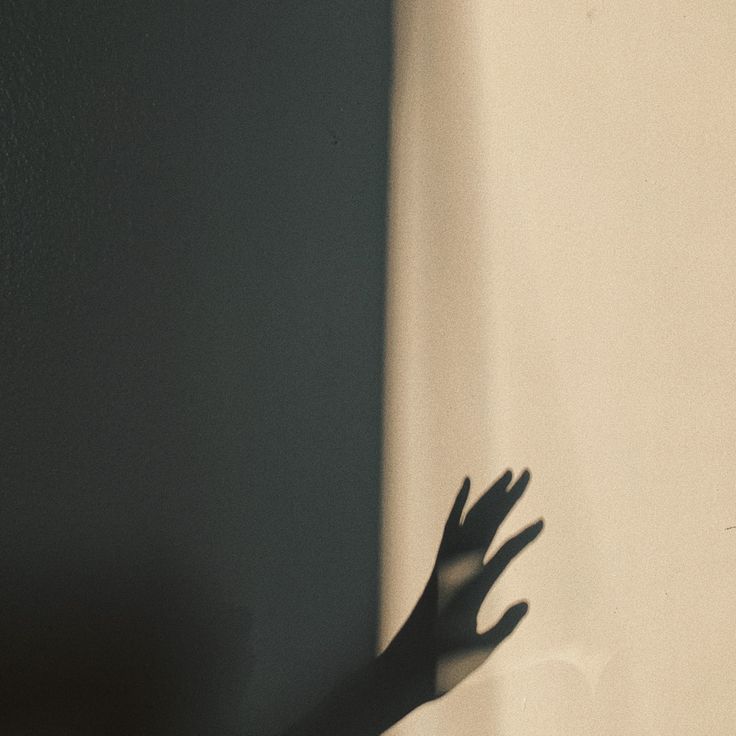
Yesterday I was having a conversation with an athlete I’ve coached for many years. He is about to compete at the 2026 Paralympic Winter Olympics.
I asked him a simple question:
“How would you like to create yourself today?”
He paused for a moment and replied,
“Stillness.”
So I asked him how he planned to do that.
He smiled slightly and said,
“By doing some silly stuff.”
I stopped him there.
“Did you notice you just used the word silly? Tell me what silly stuff is.”
He replied,
“Playing video games. Watching pointless programmes.”
“Okay,” I said. “And what makes that silly?”
“Well… I guess it doesn’t make me productive, I am not having impact.”
So I asked him something else.
“If you were sitting at lunch today and an athlete from another team, say from the USA — told you they had spent the morning playing video games… honestly, what would you think?”
He paused.
Then he said,
“I’d probably think… that sounds fun. A great way to switch off. I’d want to get involved.”
Then he stopped.
You could see the insight arrive.
“The story I tell myself when I do those things is that they’re silly,” he said.
“But when someone else does them, I think it’s great.”
And that’s the moment that mattered.
Because if he continues telling himself that those things are silly, or a waste of time, then on some level they will never truly give him what he needs from them.
So I asked him a different question.
“What does playing video games actually do for you?”
He thought for a moment.
“It’s a single-focus exercise,” he said.
“It lets my brain completely think about something else. Nothing else.”
“Ah,” I said.
“That sounds like a practice that’s important to your identity as an athlete.”
“Yes,” he replied.
“It really is.”
And right there, something shifted.
A moment where we both saw the value in something he had been dismissing as “silly”.
So, how will you choose to rather see doing such things as you move forwards? I asked him.
“Focused brain exercises,” he answered”.
Being an athlete is not just training and competing.
In fact, a huge portion of elite sport is something people rarely talk about:
Recovery.
Rest.
Stillness.
I would say these make up over 50% of what it truly means to be an athlete.
Yet they are often overlooked. We’re all wired differently.
Some people rest very well.
Others, especially those driven to perform at the highest level, can find it much harder to switch off. The instinct is always to push, improve, optimise, produce.
But what I’ve really come to appreciate through working with elite athletes is this:
Stillness has to feel great.
Each person must find their own doorway into it.
For some it’s meditation.
For others it’s music, gaming, walking, cooking, or watching something.
And once they find that doorway, something else becomes just as important:
The mindset and internal language around it.
If you label your rest as lazy, silly, or unproductive, then you bring guilt into the very thing that is supposed to restore you.
But when you recognise it as a necessary and productive practice, something changes.
Rest becomes intentional. Stillness becomes powerful. And recovery becomes part of performance.
Sometimes the most important work an athlete can do… is the work that looks like they’re doing nothing at all.
And at the end of the day, if you don’t find time for stillness, eventually emotions catch up with you. It’s like a volcano waiting to explode.
Stillness allows you to truly switch off. And in my experience, that is what creates the conditions for an athlete’s greatest performances when they then compete.
Everything in life exists in duality. Like yin and yang.
High performance and stillness may appear to be opposites… but they coexist.
And there is an art in learning how to move between the two.
The best athletes in the world don’t just train intensity. They learn how to train stillness too.
If switching off improved your performance, would you allow yourself to do it more often?
And if you'd like to explore this further, I'd love to hear how you navigate stillness in your own performance.

L
LE
LET
LET'S
LET'S T
LET'S TA
LET'S TAL
LET'S TALK
CONTACT
CONTACT
CONTACT






(Journal)
Stillness is a Athlete Performance Skill.
Stillness is a Athlete Performance Skill.
(
Learning
)
Yesterday I was having a conversation with an athlete I’ve coached for many years. He is about to compete at the 2026 Paralympic Winter Olympics.
I asked him a simple question:
“How would you like to create yourself today?”
He paused for a moment and replied,
“Stillness.”
So I asked him how he planned to do that.
He smiled slightly and said,
“By doing some silly stuff.”
I stopped him there.
“Did you notice you just used the word silly? Tell me what silly stuff is.”
He replied,
“Playing video games. Watching pointless programmes.”
“Okay,” I said. “And what makes that silly?”
“Well… I guess it doesn’t make me productive, I am not having impact.”
So I asked him something else.
“If you were sitting at lunch today and an athlete from another team, say from the USA — told you they had spent the morning playing video games… honestly, what would you think?”
He paused.
Then he said,
“I’d probably think… that sounds fun. A great way to switch off. I’d want to get involved.”
Then he stopped.
You could see the insight arrive.
“The story I tell myself when I do those things is that they’re silly,” he said.
“But when someone else does them, I think it’s great.”
And that’s the moment that mattered.
Because if he continues telling himself that those things are silly, or a waste of time, then on some level they will never truly give him what he needs from them.
So I asked him a different question.
“What does playing video games actually do for you?”
He thought for a moment.
“It’s a single-focus exercise,” he said.
“It lets my brain completely think about something else. Nothing else.”
“Ah,” I said.
“That sounds like a practice that’s important to your identity as an athlete.”
“Yes,” he replied.
“It really is.”
And right there, something shifted.
A moment where we both saw the value in something he had been dismissing as “silly”.
So, how will you choose to rather see doing such things as you move forwards? I asked him.
“Focused brain exercises,” he answered”.
Being an athlete is not just training and competing.
In fact, a huge portion of elite sport is something people rarely talk about:
Recovery.
Rest.
Stillness.
I would say these make up over 50% of what it truly means to be an athlete.
Yet they are often overlooked. We’re all wired differently.
Some people rest very well.
Others, especially those driven to perform at the highest level, can find it much harder to switch off. The instinct is always to push, improve, optimise, produce.
But what I’ve really come to appreciate through working with elite athletes is this:
Stillness has to feel great.
Each person must find their own doorway into it.
For some it’s meditation.
For others it’s music, gaming, walking, cooking, or watching something.
And once they find that doorway, something else becomes just as important:
The mindset and internal language around it.
If you label your rest as lazy, silly, or unproductive, then you bring guilt into the very thing that is supposed to restore you.
But when you recognise it as a necessary and productive practice, something changes.
Rest becomes intentional. Stillness becomes powerful. And recovery becomes part of performance.
Sometimes the most important work an athlete can do… is the work that looks like they’re doing nothing at all.
And at the end of the day, if you don’t find time for stillness, eventually emotions catch up with you. It’s like a volcano waiting to explode.
Stillness allows you to truly switch off. And in my experience, that is what creates the conditions for an athlete’s greatest performances when they then compete.
Everything in life exists in duality. Like yin and yang.
High performance and stillness may appear to be opposites… but they coexist.
And there is an art in learning how to move between the two.
The best athletes in the world don’t just train intensity. They learn how to train stillness too.
If switching off improved your performance, would you allow yourself to do it more often?
And if you'd like to explore this further, I'd love to hear how you navigate stillness in your own performance.
L
LE
LET
LET'S
LET'S T
LET'S TA
LET'S TAL
LET'S TALK
CONTACT
CONTACT
CONTACT
(Journal)
Stillness is a Athlete Performance Skill.
Stillness is a Athlete Performance Skill.
(
Learning
)
Yesterday I was having a conversation with an athlete I’ve coached for many years. He is about to compete at the 2026 Paralympic Winter Olympics.
I asked him a simple question:
“How would you like to create yourself today?”
He paused for a moment and replied,
“Stillness.”
So I asked him how he planned to do that.
He smiled slightly and said,
“By doing some silly stuff.”
I stopped him there.
“Did you notice you just used the word silly? Tell me what silly stuff is.”
He replied,
“Playing video games. Watching pointless programmes.”
“Okay,” I said. “And what makes that silly?”
“Well… I guess it doesn’t make me productive, I am not having impact.”
So I asked him something else.
“If you were sitting at lunch today and an athlete from another team, say from the USA — told you they had spent the morning playing video games… honestly, what would you think?”
He paused.
Then he said,
“I’d probably think… that sounds fun. A great way to switch off. I’d want to get involved.”
Then he stopped.
You could see the insight arrive.
“The story I tell myself when I do those things is that they’re silly,” he said.
“But when someone else does them, I think it’s great.”
And that’s the moment that mattered.
Because if he continues telling himself that those things are silly, or a waste of time, then on some level they will never truly give him what he needs from them.
So I asked him a different question.
“What does playing video games actually do for you?”
He thought for a moment.
“It’s a single-focus exercise,” he said.
“It lets my brain completely think about something else. Nothing else.”
“Ah,” I said.
“That sounds like a practice that’s important to your identity as an athlete.”
“Yes,” he replied.
“It really is.”
And right there, something shifted.
A moment where we both saw the value in something he had been dismissing as “silly”.
So, how will you choose to rather see doing such things as you move forwards? I asked him.
“Focused brain exercises,” he answered”.
Being an athlete is not just training and competing.
In fact, a huge portion of elite sport is something people rarely talk about:
Recovery.
Rest.
Stillness.
I would say these make up over 50% of what it truly means to be an athlete.
Yet they are often overlooked. We’re all wired differently.
Some people rest very well.
Others, especially those driven to perform at the highest level, can find it much harder to switch off. The instinct is always to push, improve, optimise, produce.
But what I’ve really come to appreciate through working with elite athletes is this:
Stillness has to feel great.
Each person must find their own doorway into it.
For some it’s meditation.
For others it’s music, gaming, walking, cooking, or watching something.
And once they find that doorway, something else becomes just as important:
The mindset and internal language around it.
If you label your rest as lazy, silly, or unproductive, then you bring guilt into the very thing that is supposed to restore you.
But when you recognise it as a necessary and productive practice, something changes.
Rest becomes intentional. Stillness becomes powerful. And recovery becomes part of performance.
Sometimes the most important work an athlete can do… is the work that looks like they’re doing nothing at all.
And at the end of the day, if you don’t find time for stillness, eventually emotions catch up with you. It’s like a volcano waiting to explode.
Stillness allows you to truly switch off. And in my experience, that is what creates the conditions for an athlete’s greatest performances when they then compete.
Everything in life exists in duality. Like yin and yang.
High performance and stillness may appear to be opposites… but they coexist.
And there is an art in learning how to move between the two.
The best athletes in the world don’t just train intensity. They learn how to train stillness too.
If switching off improved your performance, would you allow yourself to do it more often?
And if you'd like to explore this further, I'd love to hear how you navigate stillness in your own performance.
L
LE
LET
LET'S
LET'S T
LET'S TA
LET'S TAL
LET'S TALK
CONTACT
CONTACT