(Journal)
Machines Do Not Feel Pressure. People Do.
Machines Do Not Feel Pressure. People Do.
(
Thoughts
)
I have been reflecting on some recent conversations I have had with different humans whose work is sport.
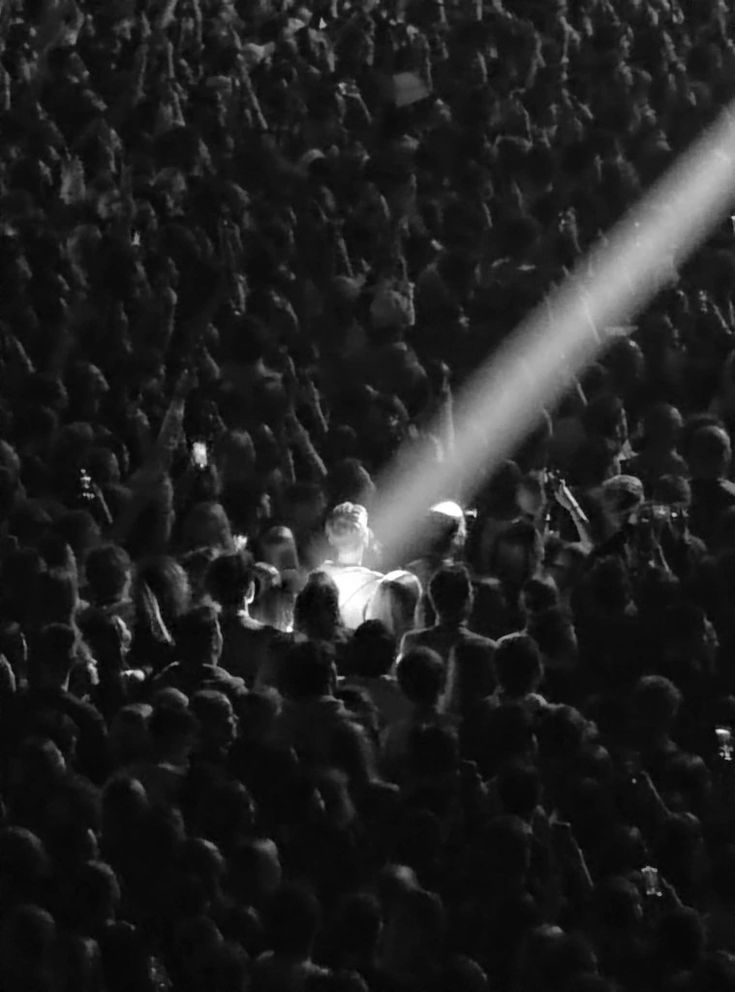
What has stood out for me is the quiet way in which athletes and coaches of professional teams are often treated like machines. Not in deliberate way, but through expectation. Or at least through what they believe is expected of them. To show up, perform, recover, and repeat, often without much room for the full human experience that sits underneath high performance.
This is not only true in sport. I see the same pattern with leaders, founders, and people in visible or responsible roles. When someone is relied upon, or looked to for results, they can slowly begin to be seen more for what they produce than for who they are.
Over time, this can create an unspoken agreement. You deliver. You cope. You stay steady. And whatever you are carrying as a human, as a soul, is expected to stay out of the way.
One of the unseen consequences of this is isolation. When people feel they must always hold it together, they often stop sharing what they are really experiencing. It can become lonely at the top, not because others are not around, but because it no longer feels safe to be fully seen.
When athletes and leaders come to work with me, they often describe this as pressure. They say there is so much pressure on them to get it right, to hold it together, to not let anyone down. Rather than challenging this, I slow the conversation down and ask a very simple question. Who is putting the pressure on you? Has somebody specifically told you this? Or is the story you are running in your own mind the real source of the pressure?
Sometimes there are clear answers. Coaches, boards, investors, teams, sponsors, or the public can place very real demands on people. That matters and it should not be dismissed. But very often, when we sit with the question for a little longer, something else appears. A strong inner voice that says they must always cope, must not let anybody down, must not fail and to not show too much emotion or need.
At that point, the pressure is not only coming from the outside. It is also being created on the inside.
Many high performers learned early on that approval followed performance. That being in control created safety. That being easy to rely on was rewarded. Over time, this shapes how someone relates to themselves. Being human can start to feel risky and even scary, and placing pressure on oneself can feel like the only way to stay acceptable.
The shift does not come from caring less or lowering standards. It comes from questioning whether perfection is truly required. And perhaps more importantly, whether perfection even exists?
When athletes and leaders realise they are allowed to feel, to struggle, to laugh, to cry, to make mistakes, and to be affected by what they carry, something begins to truly transform.
This softening, this allowance to feel, does not make them less successful. It makes them more human. And as humans, we connect through openness and vulnerability. The ability to hold humanness alongside strength feels like a far more sustainable place to move from. To me, an inspiring leader is someone who can embody both at the same time. There is a duality there.
As a fellow human, I sometimes wonder whether we would want the people we follow, or rely upon, to have the opportunity to be human too.
Machines do not feel. They were not built to. Humans do, and it is in our nature. Yet learning to feel deeply matters far more than we are often taught to believe. This is the work I do: supporting people to hold high performance while staying in feeling, without abandoning themselves as human beings.
If you would like to explore this work or feel into whether it is right for you, please reach out. I would love to connect with you.
You do not have to walk this journey alone.
With love and an open warm heart,
NT x


L
LE
LET
LET'S
LET'S T
LET'S TA
LET'S TAL
LET'S TALK
CONTACT
CONTACT
CONTACT








(Journal)
Machines Do Not Feel Pressure. People Do.
Machines Do Not Feel Pressure. People Do.
(
Thoughts
)
I have been reflecting on some recent conversations I have had with different humans whose work is sport.
What has stood out for me is the quiet way in which athletes and coaches of professional teams are often treated like machines. Not in deliberate way, but through expectation. Or at least through what they believe is expected of them. To show up, perform, recover, and repeat, often without much room for the full human experience that sits underneath high performance.
This is not only true in sport. I see the same pattern with leaders, founders, and people in visible or responsible roles. When someone is relied upon, or looked to for results, they can slowly begin to be seen more for what they produce than for who they are.
Over time, this can create an unspoken agreement. You deliver. You cope. You stay steady. And whatever you are carrying as a human, as a soul, is expected to stay out of the way.
One of the unseen consequences of this is isolation. When people feel they must always hold it together, they often stop sharing what they are really experiencing. It can become lonely at the top, not because others are not around, but because it no longer feels safe to be fully seen.
When athletes and leaders come to work with me, they often describe this as pressure. They say there is so much pressure on them to get it right, to hold it together, to not let anyone down. Rather than challenging this, I slow the conversation down and ask a very simple question. Who is putting the pressure on you? Has somebody specifically told you this? Or is the story you are running in your own mind the real source of the pressure?
Sometimes there are clear answers. Coaches, boards, investors, teams, sponsors, or the public can place very real demands on people. That matters and it should not be dismissed. But very often, when we sit with the question for a little longer, something else appears. A strong inner voice that says they must always cope, must not let anybody down, must not fail and to not show too much emotion or need.
At that point, the pressure is not only coming from the outside. It is also being created on the inside.
Many high performers learned early on that approval followed performance. That being in control created safety. That being easy to rely on was rewarded. Over time, this shapes how someone relates to themselves. Being human can start to feel risky and even scary, and placing pressure on oneself can feel like the only way to stay acceptable.
The shift does not come from caring less or lowering standards. It comes from questioning whether perfection is truly required. And perhaps more importantly, whether perfection even exists?
When athletes and leaders realise they are allowed to feel, to struggle, to laugh, to cry, to make mistakes, and to be affected by what they carry, something begins to truly transform.
This softening, this allowance to feel, does not make them less successful. It makes them more human. And as humans, we connect through openness and vulnerability. The ability to hold humanness alongside strength feels like a far more sustainable place to move from. To me, an inspiring leader is someone who can embody both at the same time. There is a duality there.
As a fellow human, I sometimes wonder whether we would want the people we follow, or rely upon, to have the opportunity to be human too.
Machines do not feel. They were not built to. Humans do, and it is in our nature. Yet learning to feel deeply matters far more than we are often taught to believe. This is the work I do: supporting people to hold high performance while staying in feeling, without abandoning themselves as human beings.
If you would like to explore this work or feel into whether it is right for you, please reach out. I would love to connect with you.
You do not have to walk this journey alone.
With love and an open warm heart,
NT x
L
LE
LET
LET'S
LET'S T
LET'S TA
LET'S TAL
LET'S TALK
CONTACT
CONTACT
CONTACT
(Journal)
Machines Do Not Feel Pressure. People Do.
Machines Do Not Feel Pressure. People Do.
(
Thoughts
)
I have been reflecting on some recent conversations I have had with different humans whose work is sport.
What has stood out for me is the quiet way in which athletes and coaches of professional teams are often treated like machines. Not in deliberate way, but through expectation. Or at least through what they believe is expected of them. To show up, perform, recover, and repeat, often without much room for the full human experience that sits underneath high performance.
This is not only true in sport. I see the same pattern with leaders, founders, and people in visible or responsible roles. When someone is relied upon, or looked to for results, they can slowly begin to be seen more for what they produce than for who they are.
Over time, this can create an unspoken agreement. You deliver. You cope. You stay steady. And whatever you are carrying as a human, as a soul, is expected to stay out of the way.
One of the unseen consequences of this is isolation. When people feel they must always hold it together, they often stop sharing what they are really experiencing. It can become lonely at the top, not because others are not around, but because it no longer feels safe to be fully seen.
When athletes and leaders come to work with me, they often describe this as pressure. They say there is so much pressure on them to get it right, to hold it together, to not let anyone down. Rather than challenging this, I slow the conversation down and ask a very simple question. Who is putting the pressure on you? Has somebody specifically told you this? Or is the story you are running in your own mind the real source of the pressure?
Sometimes there are clear answers. Coaches, boards, investors, teams, sponsors, or the public can place very real demands on people. That matters and it should not be dismissed. But very often, when we sit with the question for a little longer, something else appears. A strong inner voice that says they must always cope, must not let anybody down, must not fail and to not show too much emotion or need.
At that point, the pressure is not only coming from the outside. It is also being created on the inside.
Many high performers learned early on that approval followed performance. That being in control created safety. That being easy to rely on was rewarded. Over time, this shapes how someone relates to themselves. Being human can start to feel risky and even scary, and placing pressure on oneself can feel like the only way to stay acceptable.
The shift does not come from caring less or lowering standards. It comes from questioning whether perfection is truly required. And perhaps more importantly, whether perfection even exists?
When athletes and leaders realise they are allowed to feel, to struggle, to laugh, to cry, to make mistakes, and to be affected by what they carry, something begins to truly transform.
This softening, this allowance to feel, does not make them less successful. It makes them more human. And as humans, we connect through openness and vulnerability. The ability to hold humanness alongside strength feels like a far more sustainable place to move from. To me, an inspiring leader is someone who can embody both at the same time. There is a duality there.
As a fellow human, I sometimes wonder whether we would want the people we follow, or rely upon, to have the opportunity to be human too.
Machines do not feel. They were not built to. Humans do, and it is in our nature. Yet learning to feel deeply matters far more than we are often taught to believe. This is the work I do: supporting people to hold high performance while staying in feeling, without abandoning themselves as human beings.
If you would like to explore this work or feel into whether it is right for you, please reach out. I would love to connect with you.
You do not have to walk this journey alone.
With love and an open warm heart,
NT x
L
LE
LET
LET'S
LET'S T
LET'S TA
LET'S TAL
LET'S TALK
CONTACT
CONTACT